Loading...
Serving Oceanside, CA and surrounding areas. (442) 292-0769
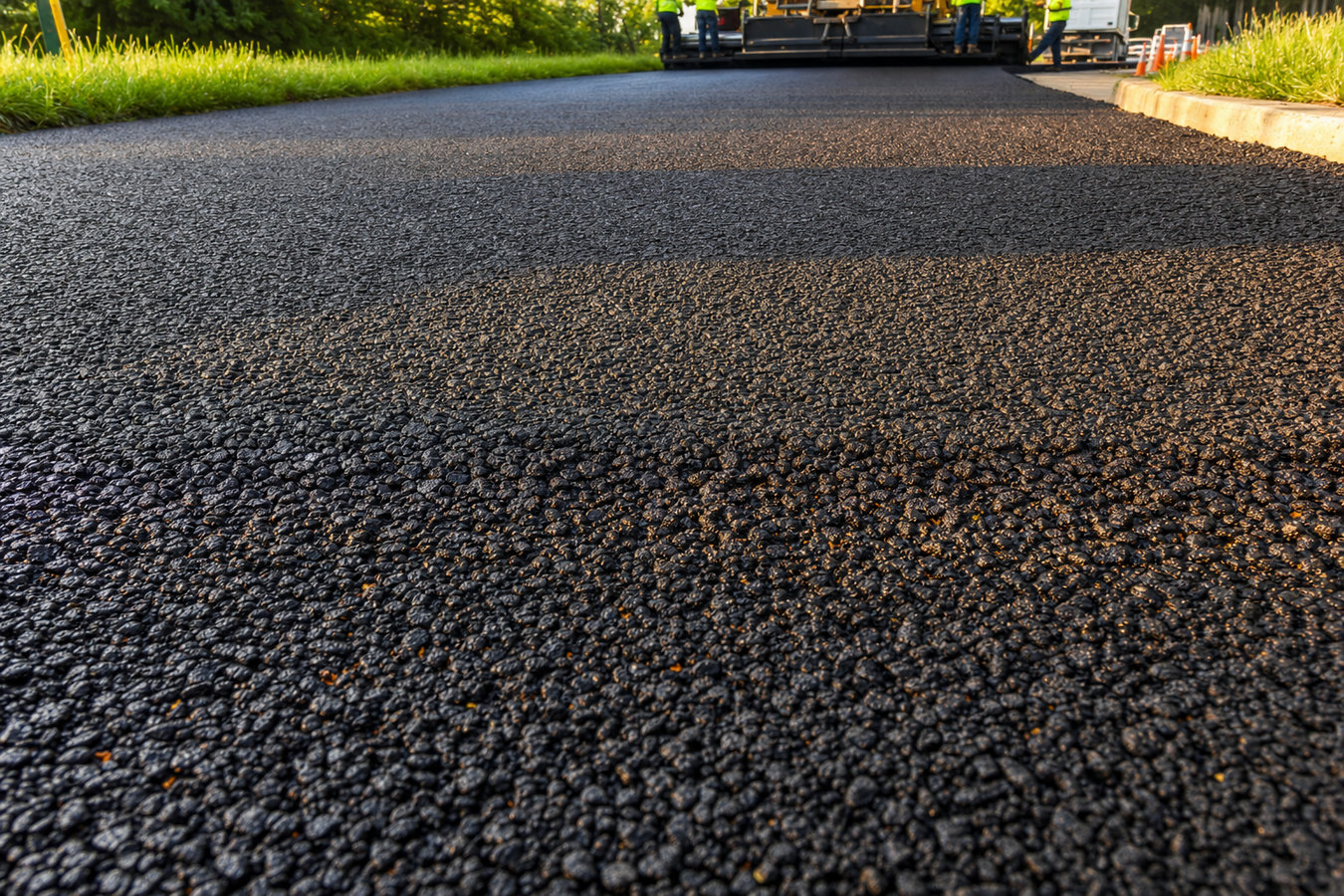
When patching stops working and the whole surface has gone gray and brittle, milling removes the problem layer cleanly so new asphalt bonds right the first time.
Asphalt milling in Oceanside is the process of grinding down the top layer of an existing paved surface using a machine with a rotating drum of carbide teeth, then hauling the old material away, leaving a clean textured base for new asphalt. Most residential driveways can be milled in a few hours, with new pavement laid within a day or two.
In Oceanside's coastal climate, the main driver of pavement decline is not freeze-thaw damage - it is UV oxidation and salt air from the Pacific drying out the asphalt binder year by year. When the surface turns gray, crumbles at the edges, and no longer holds patches, milling is the right move. It removes the worn layer entirely and gives the new asphalt something solid and uniform to bond to - rather than layering over a deteriorated surface that will keep breaking down underneath. It also raises a question homeowners often overlook: are there soft spots or drainage issues in the base that patching alone would have covered up and ignored? Milling exposes the answer before new asphalt goes down. If the base itself has settled or shifted, that is a grading and excavation conversation worth having first.
Milling also solves a practical problem: paving over an old surface without removing material can raise the finished height too much at garage doors, drainage inlets, and property edges. Milling removes exactly the right amount so the new asphalt sits at the correct height.
When cracking has spread in a web-like pattern across most of the driveway or parking area, patching individual cracks stops making financial sense. The surface layer itself has broken down past the point where repairs can hold. Milling removes it entirely and gives you a clean, uniform base for the new layer.
Fresh asphalt is dark and flexible. When it turns gray and crumbles at the edges, the binder has dried out from Oceanside's coastal sun and UV exposure. That color shift is a reliable sign the surface is near the end of its useful life. Milling and resurfacing at this stage - before the base is compromised - is far less expensive than waiting.
Standing water on your driveway after Oceanside's winter rain means the surface has lost its proper slope or developed low spots from settling. Milling lets the contractor correct the grade before laying new asphalt - something you cannot do when paving over an existing surface.
If you have patched the same areas two or three times and the repairs keep cracking or popping out within a season, the surface layer itself is too degraded to hold them. Milling removes the problem layer cleanly so the new asphalt has a consistent, solid surface to bond to.
We mill residential driveways, private roads, and small parking areas across Oceanside and the surrounding North County San Diego area. After the mill, we inspect the exposed base for soft spots or drainage problems and address them before new asphalt goes down. We apply a tack coat - the thin bonding layer that adheres the new asphalt to the milled surface - as a standard step on every job. Skipping the tack coat is a red flag; without it, the new layer can separate or slide over time. If the pavement condition has reached the point where a full structural replacement makes more sense than milling alone, we can discuss that option alongside asphalt resurfacing so you have a clear picture of every path forward.
For larger areas - shared private roads, commercial parking lots, or properties with significant grade correction needs - milling is often paired with full paving in a single mobilization. The ground-up reclaimed asphalt is hauled to an asphalt plant for recycling rather than sent to a landfill. For properties where the driveway meets a public street and the curb cut needs to be addressed, we confirm permit requirements upfront and handle the paperwork. If your project also involves curb or sidewalk work, combining it with drainage solutions at the same time can save on mobilization and ensure proper water flow off the finished surface.
Best for homeowners whose driveway surface has deteriorated past the point where repairs hold, and who want a fresh layer without the cost of full reconstruction.
Best for small commercial properties or multi-unit residential lots where the parking surface has aged and a milled base gives the new asphalt the best possible start.
Best for driveways or lots with low spots and standing water issues, where milling allows the contractor to re-establish proper drainage slope before paving.
Best for properties that want milling and new asphalt completed in a single project visit, minimizing the time the milled surface is exposed to weather.
Oceanside's coastal location creates conditions that age asphalt faster than most parts of the country. Intense UV from Southern California's abundant sunshine oxidizes the asphalt binder steadily. Salt-laden marine air from the Pacific - particularly strong on properties within a mile or two of the water - accelerates surface breakdown in ways that are not always obvious until the cracking is widespread. On top of that, Oceanside's expansive coastal soils shift with moisture, creating base movement that can leave low spots and drainage problems under the existing surface. Milling is the only way to find and fix those hidden base issues before they undermine a new layer of asphalt. The National Asphalt Pavement Association publishes technical guidance on milling depths, tack coat application, and recycling reclaimed asphalt that quality contractors follow.
Homeowners in Solana Beach and Del Mar face the same coastal aging challenges, and many driveways in these beachside communities were installed in the 1980s and 1990s - old enough now that surface oxidation and salt air exposure have done real damage. Oceanside's dry season, roughly May through October, is the most reliable paving window, and contractor schedules fill up early. Booking in spring gives you the best pick of timing before the summer rush.
Describe your driveway or parking area - size, current condition, and what you are trying to accomplish. We reply within 1 business day and schedule a site visit. No cost, no commitment until you see the written estimate.
We walk the surface with you - noting depth of deterioration, soft spots, drainage issues, and how the milling machine accesses the area. We tell you honestly whether milling alone makes sense or if base repairs are also needed. You get a written quote before any work is scheduled.
The milling machine arrives with a truck to haul the old material away. The crew mills the surface to the agreed depth, sweeps it clean, and inspects the exposed base. Expect noise and dust during the work. A standard residential driveway typically takes a few hours.
Any soft base spots are repaired before new asphalt goes down. We apply a tack coat to bond the new layer to the milled surface - this step is not optional. After paving and compaction, we walk the finished surface with you before leaving. You can usually drive on it within 24 hours.
Free estimate, no pressure. We reply within 1 business day.
(442) 292-0769We work on driveways and parking areas in Oceanside and the broader North County San Diego area regularly. That means we know how salt air, UV exposure, and expansive coastal soils combine to age asphalt here - and we plan the depth of milling and the base repairs accordingly, not by a generic formula.
The bonding coat between the milled surface and the new asphalt is the step that determines whether the new layer stays put over time. We include it on every milling project. If a contractor does not mention it, ask - skipping it is a shortcut that causes delamination within a few seasons.
The milled material goes to a licensed asphalt plant for recycling, not to a landfill. This is both the responsible approach and - because recycled asphalt lowers the cost of new material industry-wide - part of why milling can be more economical than it might appear. California requires a state contractor license for this type of paving work - verify any contractor before you sign.
Milling exposes what is under the old surface. We inspect every job for soft spots and drainage problems while the base is visible - and we tell you what we find in plain terms. If something needs fixing before new asphalt goes down, we say so before adding it to the scope, not after you have already paid for paving.
Every milling job in Oceanside gets the same approach: a written estimate before work starts, a tack coat that is never skipped, and a final walkthrough before we leave. That consistency is how we avoid callbacks and how you avoid having to hire someone again in two years.
Proper drainage built into or alongside a freshly milled and paved surface prevents the low-spot pooling that shortens pavement life in Oceanside.
Learn MoreWhen milling and a fresh asphalt layer are completed together, resurfacing gives the finished driveway or parking area a like-new surface without full reconstruction costs.
Learn MoreContractor schedules in Oceanside fill fast once dry season starts - call now to lock in your spot and get a written quote with no obligation.